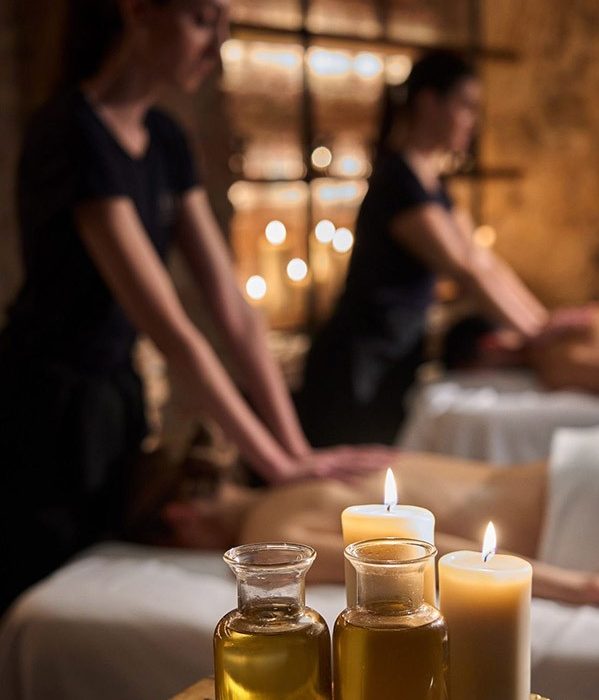

A firm massage is exercise your muscles didn't volunteer for, and the morning after can feel exactly like the morning after a workout: dull, stiff, a little indignant. That kind of soreness for a day or two is normal and often means the session reached tissue that lighter work had been gliding over. Sharp pain, pain that keeps climbing past 48 hours, or anything involving numbness belongs in a different category, which this page covers further down.
What just happened to your back
Deep, firm massage is mechanical work. The therapist compresses and lengthens muscle fibres, breaks up adhesions, and moves fluid through tissue that may have sat congested for months. Your body files all this under the same heading as a gym session and responds accordingly: a mild, temporary inflammatory process, some fluid shift, and a muscle that feels tender and thoroughly used for about a day.
How normal soreness behaves
The industry has an informal name for this day-after feeling, and its pattern is predictable enough to check yourself against:
- It arrives within a few hours, is loudest the next morning, and fades over 24 to 48 hours.
- It feels dull and diffuse, like fatigue spread across the muscle rather than one screaming point.
- It eases with movement, a warm shower, water and rest instead of getting angrier.
Fit all three and nothing went wrong. The most dramatic cases are nearly always first deep sessions after years away from any table, simply because there was the most accumulated tension for the therapist to work through.
Why some sessions leave more of a mark
Technique explains part of it. A Swedish massage usually leaves nothing behind except drowsiness and improved morale. Deep tissue produces next-day soreness in roughly half of first-timers, a share that shrinks with regular visits as muscles learn the routine.
The rest depends on the state you arrived in. Dehydrated muscles, cold muscles, and muscles fresh off a heavy workout all protest more. The biggest avoidable factor, though, is silence: if the pressure is too much and you brace through it politely, you will hurt tomorrow. Therapists change pressure in a second and take zero offence at being asked. Say the words.
The signs that mean doctor, not therapist
Book a clinic visit rather than another massage if any of the following shows up:
- Sharp, pinpoint pain that started during or immediately after the session and won't fade
- Soreness that grows after the 48-hour mark instead of easing
- Numbness, tingling or weakness running into an arm or a leg
- Serious bruising, or swelling concentrated in one spot
- Back pain arriving together with fever
All of these are rare, and often the massage merely uncovered something already there, a quietly waiting disc problem being the classic example. Either way, this is medical territory, and any spa worth your money will point you to a clinic before it points you to a calendar.
Getting through the next day
Water, warmth and unhurried movement cover most of it. A walk beats the sofa, a warm shower beats an hour-long hot soak, and a gentle stretch of the sore area beats poking at it. Give the gym a day off; those muscles already trained.
Before your next session, tell the therapist how this one landed. The usual fix is a longer warm-up and more gradual depth, and follow-up visits typically come with no aftermath at all. One more thing worth knowing: soreness that repeats identically after every single session, at every pressure level, is not proof of depth. It's feedback that the approach needs changing, and making that change is the therapist's job, not yours.
FAQ
How many days of soreness is normal after a massage?
One, maybe two, with a steady downward trend. No improvement past 48 hours, or clear worsening, is a reason to see a doctor rather than to wait harder.
If I'm not sore, did the massage even work?
Soreness is not a receipt. Regulars often get very deep work with zero aftermath, while an over-aggressive session can hurt plenty and help little. Judge by how you move a week later.
Can I go to the gym the day after a massage?
Better not. The massage already loaded the tissue, so give it a day, then train normally. Walking and light stretching are fine straight away.
Do I need a painkiller for post-massage soreness?
Normally no; warmth, water and movement do the same job. Pain strong enough to genuinely require medication has left the normal category and deserves a doctor's opinion.
The massage made my back pain worse. Was it a bad massage?
Possibly, if it went too deep too soon. Just as often the pain was never muscular to begin with, and joints, discs and nerves don't answer to massage. Get the medical answer first; rebook after.